


Basement into bedroom ideas turn forgotten square footage into one of the most used rooms in the house. A basement conversion adds real living space without an addition, which makes it one of the smartest projects a homeowner can take on. The work ranges from simple cosmetic updates to full finishing with walls, floors, and closets. Below are 31 basement into bedroom ideas that cover every stage, from planning and moisture proofing to styling the finished room. Each idea helps you build a bedroom that feels intentional, comfortable, and anything but basement like.
1. Check Local Egress Requirements

Every legal basement bedroom needs an egress window or door for safety. Check your local code for the exact size and height rules before you plan anything. Adding egress is the first cost to budget for.
2. Test for Moisture First
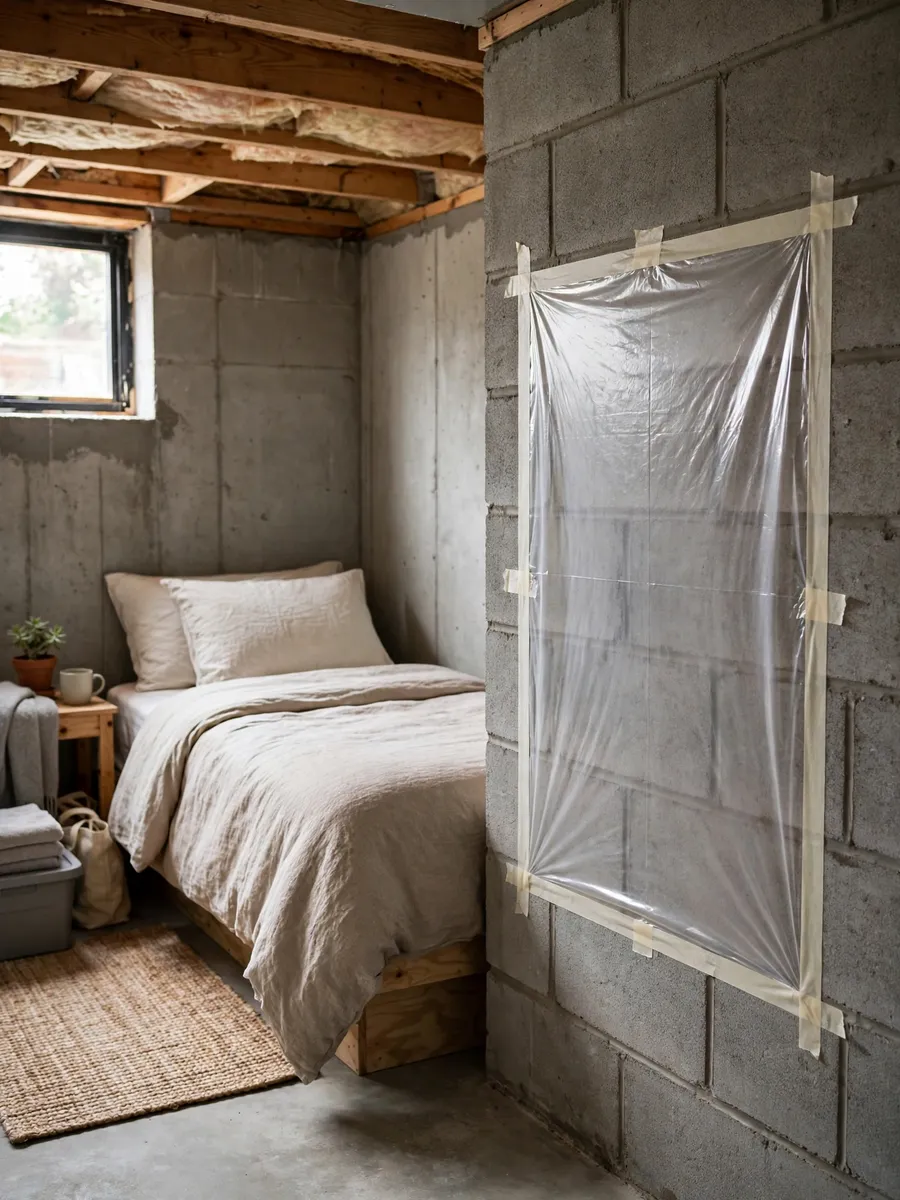
Tape a square of plastic to the floor and wall for two days to check for dampness. If moisture appears, fix grading and sealing before finishing. Dry walls are the foundation of a healthy bedroom.
3. Install a Sump Pump Backup

A battery backup sump pump protects your new bedroom during power outages. Storms often knock out power right when you need pumping most. This one device can save thousands in damage.
4. Frame Walls Away from Concrete
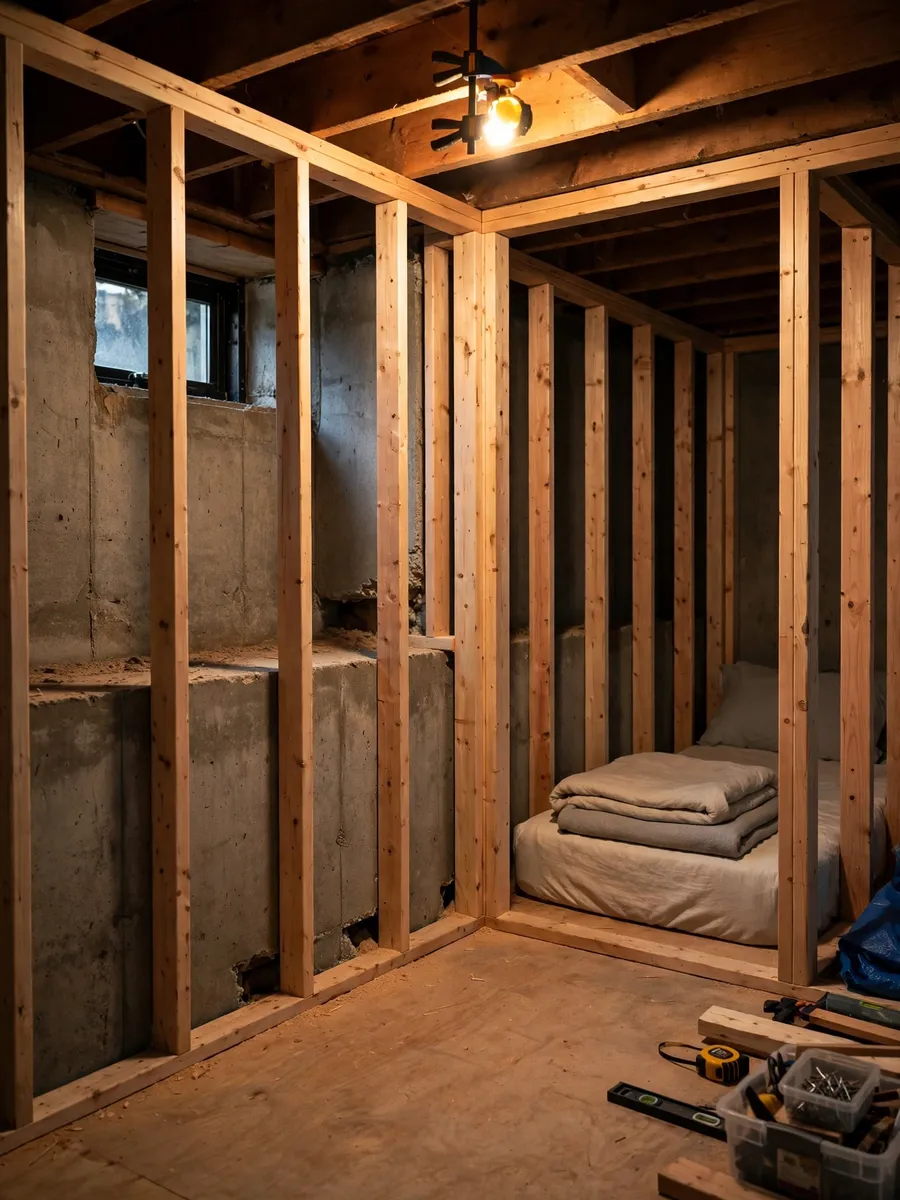
Leave a small gap between new framing and the concrete foundation wall. The gap allows air flow and keeps wood away from any seepage. Use pressure treated lumber for the bottom plate.
5. Add Rigid Foam Insulation
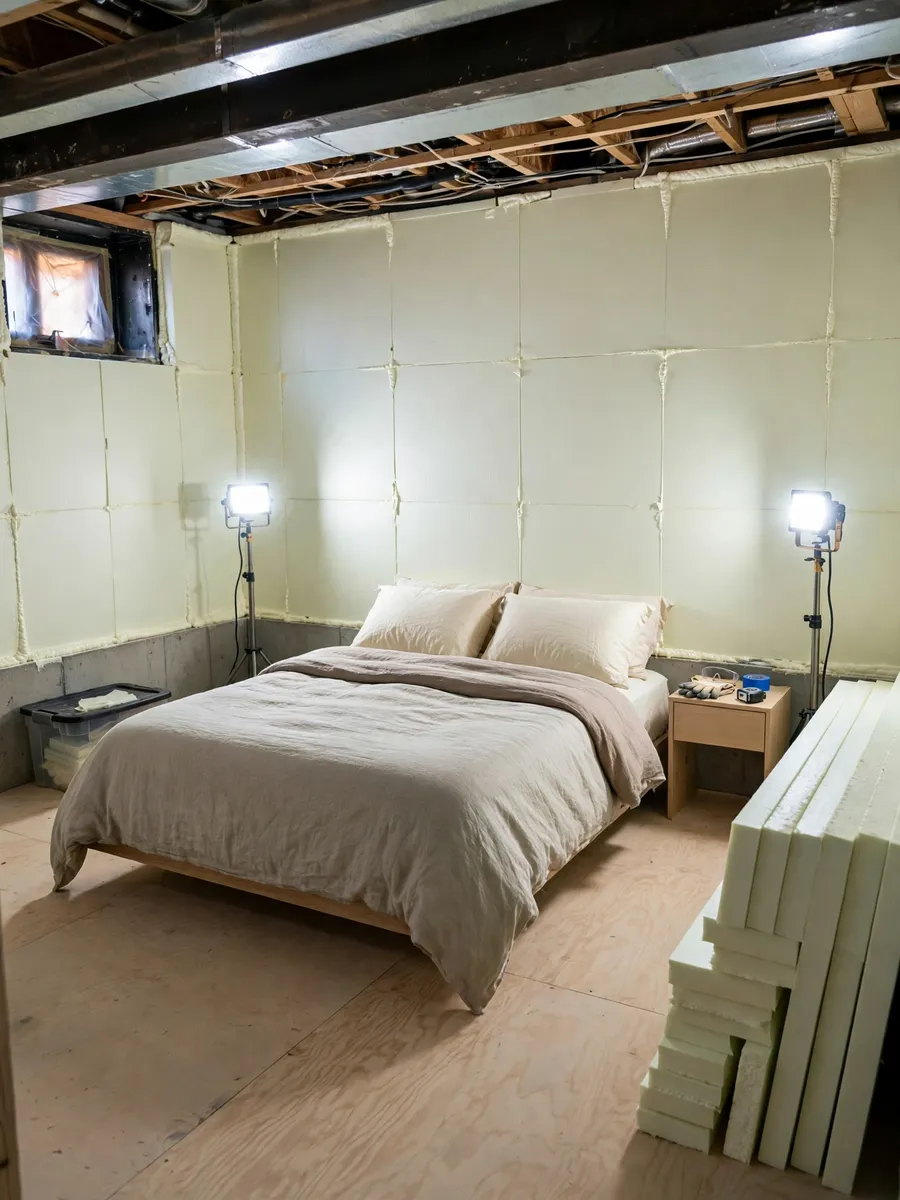
Rigid foam boards on foundation walls insulate and block moisture at once. They keep the bedroom warmer and cut heating bills. Cover the foam with drywall for a finished look.
6. Plan the Closet Early

Most codes require a closet for a room to count as a bedroom. Frame the closet during the rough in stage, not as an afterthought. A reach in closet along one wall is simple and effective.
7. Upgrade the Electrical Panel

A finished bedroom needs outlets, lighting, and possibly heating on safe circuits. Have an electrician check that your panel has room for new breakers. This is not a place to cut corners.
8. Add Plenty of Outlets
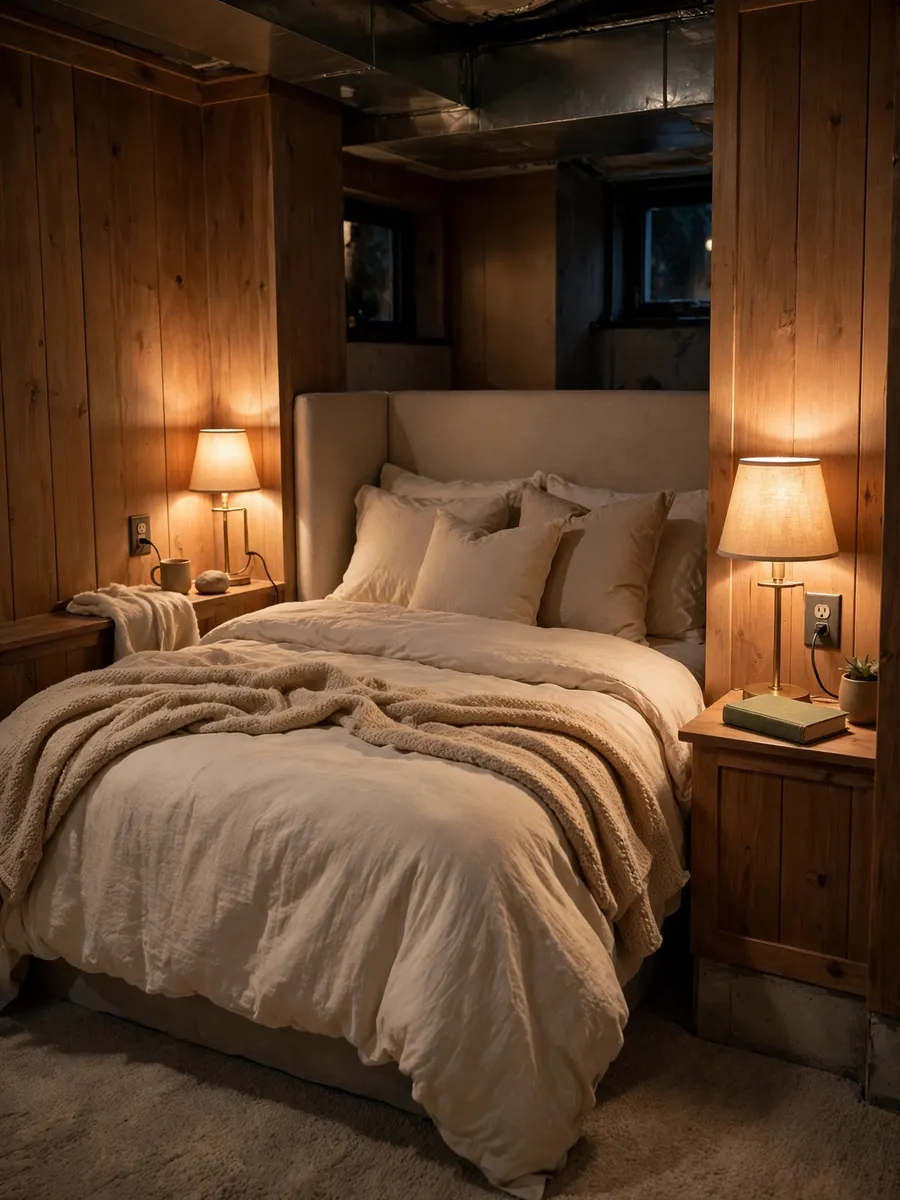
Place outlets every six feet along walls so lamps and chargers reach easily. Include outlets on both sides of the bed for phones and reading lights. More outlets now means fewer extension cords later.
9. Choose Vinyl Plank Flooring

Luxury vinyl plank handles basement moisture better than real wood. It looks like wood, feels warm, and installs over concrete easily. Choose a light tone to keep the room bright.
10. Install a Drop Ceiling or Drywall

A drop ceiling gives easy access to pipes and wires above. Drywall looks more like an upstairs room but hides utilities. Pick based on how much access you want later.
11. Soundproof the Ceiling
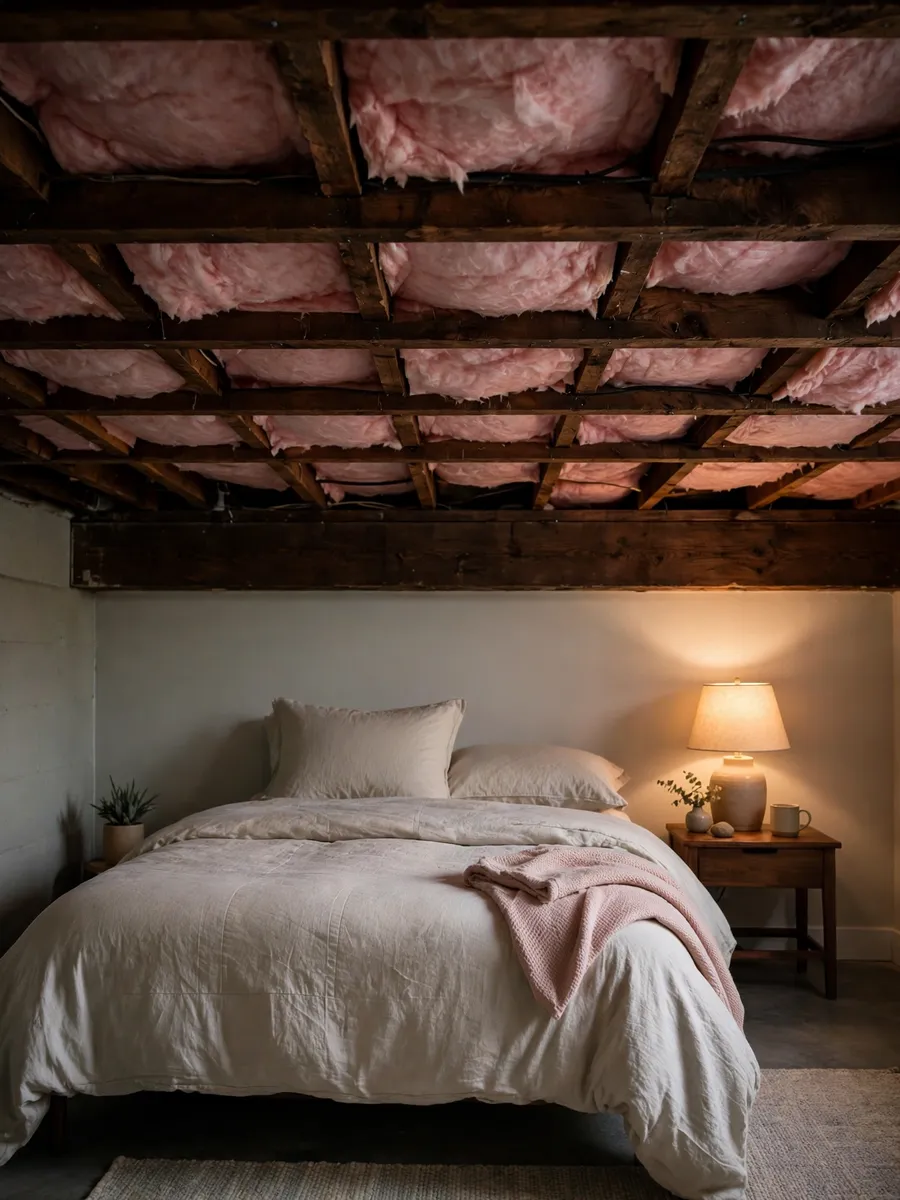
Insulation between joists quiets footsteps from the floor above. A sleeping guest will thank you for the peace. It also keeps bedroom noise from traveling up.
12. Add a Proper HVAC Vent

Extend a heat vent and a cold air return into the new bedroom. Basements need real airflow to stay comfortable year round. A stuffy room will not get used.
13. Bright Paint Colors

Light paint makes a basement bedroom feel like any other room. Soft whites, pale blues, and warm grays all work well. Paint makes the biggest visual difference per dollar.
14. Layered Lighting Plan

Combine overhead lights, bedside lamps, and accent lighting. Basements lack natural light, so layers matter more here. Dimmers let you set the mood for sleep.
15. Egress Window Well Decor
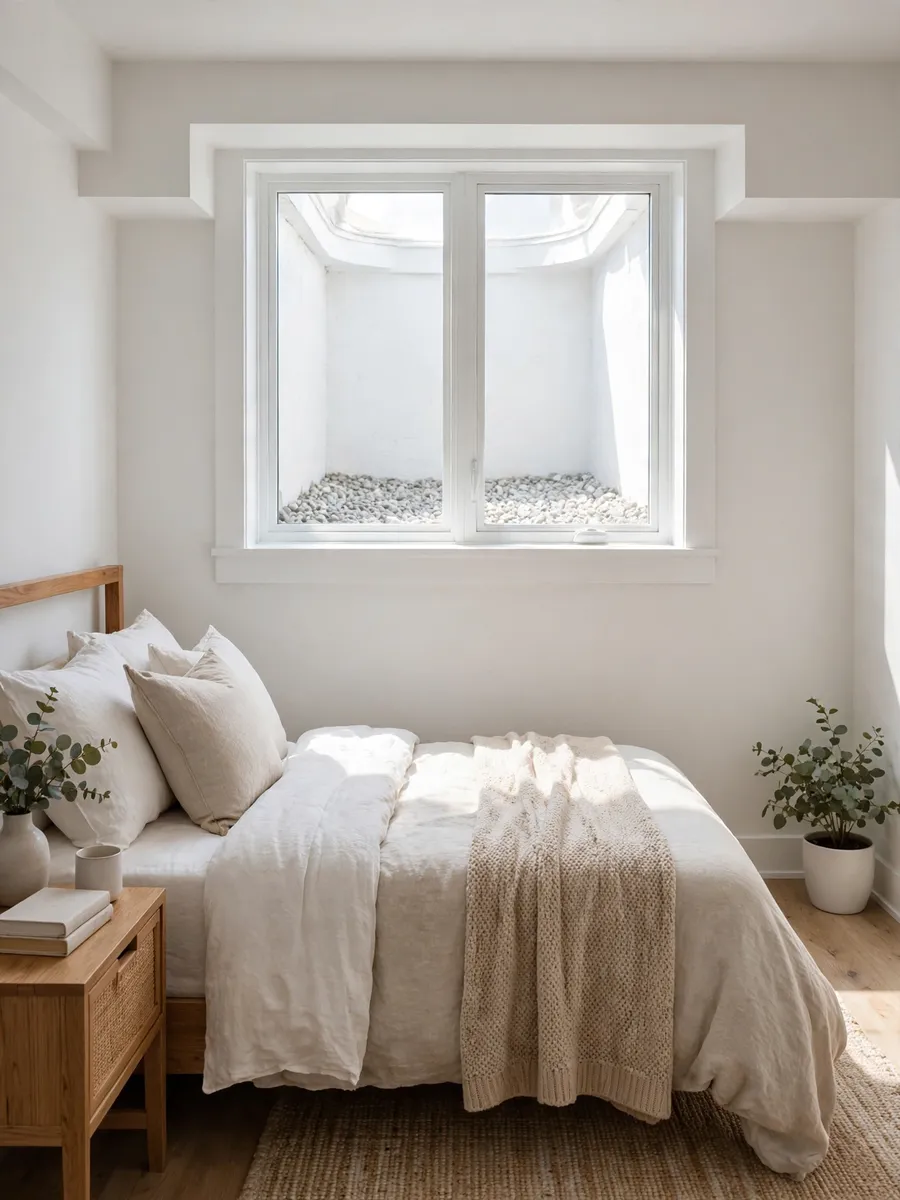
Dress up the window well with white paint and gravel. A bright well bounces more light into the room. Add a small grate cover for safety.
16. Built In Storage Benches
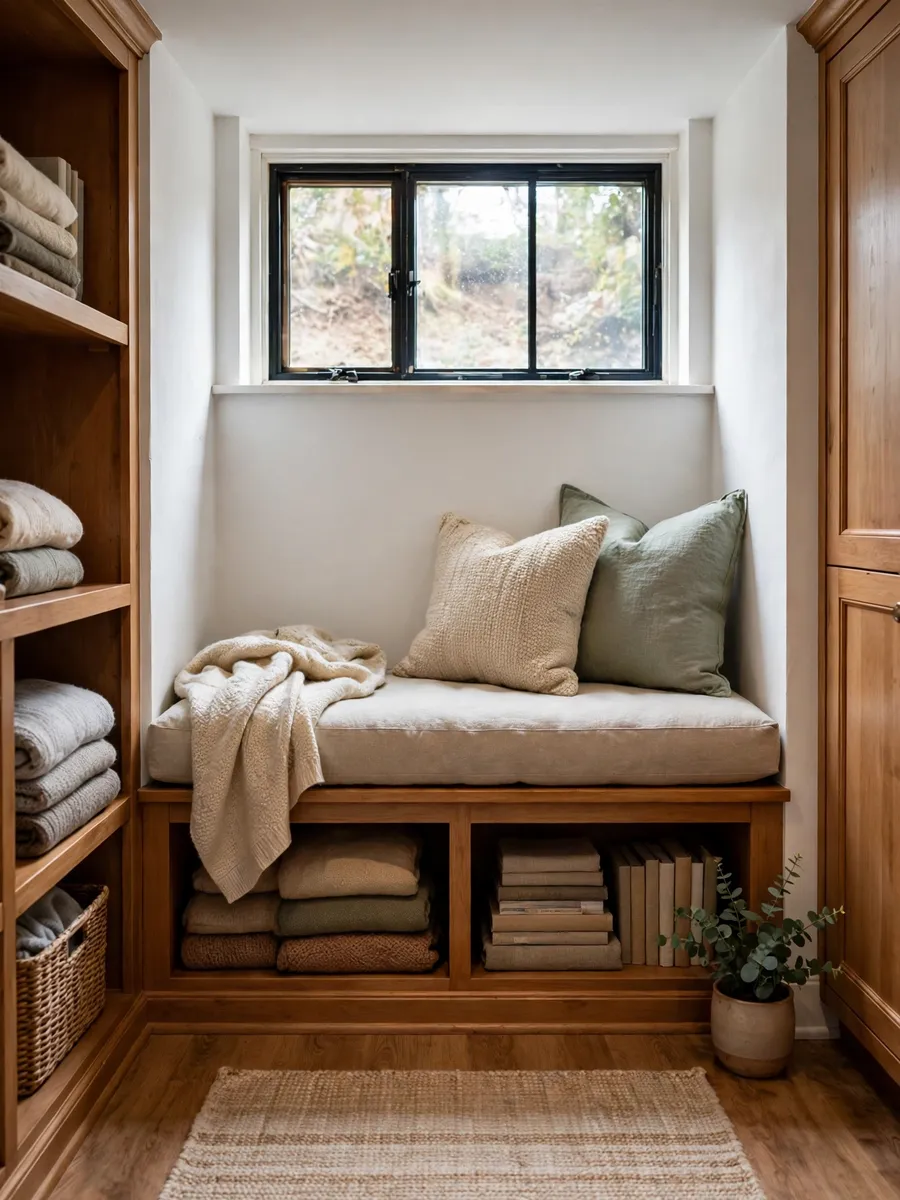
Storage benches under windows use space that furniture cannot. They hold linens, games, or seasonal clothes. A cushion on top creates a reading spot.
17. Murphy Bed for Flexibility

A murphy bed lets the room double as an office or playroom. Fold it up during the day for open floor space. Modern designs look like cabinets when closed.
18. Guest Ready Bedding Station

Keep a set of guest bedding stored in the room so it is always ready. Fresh sheets, extra blankets, and pillows in the closet invite use. Guests feel welcome when everything is at hand.
19. Blackout Shades for Day Sleepers

Basement windows may face bright wells or street lights. Blackout shades give total darkness for naps and night shifts. They also add a tailored look to small windows.
20. Dehumidifier with Drain

A dehumidifier with a hose to a drain runs without daily emptying. Set the humidity near fifty percent for comfort. Dry air protects the finishes you just installed.
21. Area Rugs for Warmth

Large rugs warm up vinyl or concrete floors fast. Choose washable rugs in case of dampness. Layer runners beside the bed for soft mornings.
22. Personalize with Art
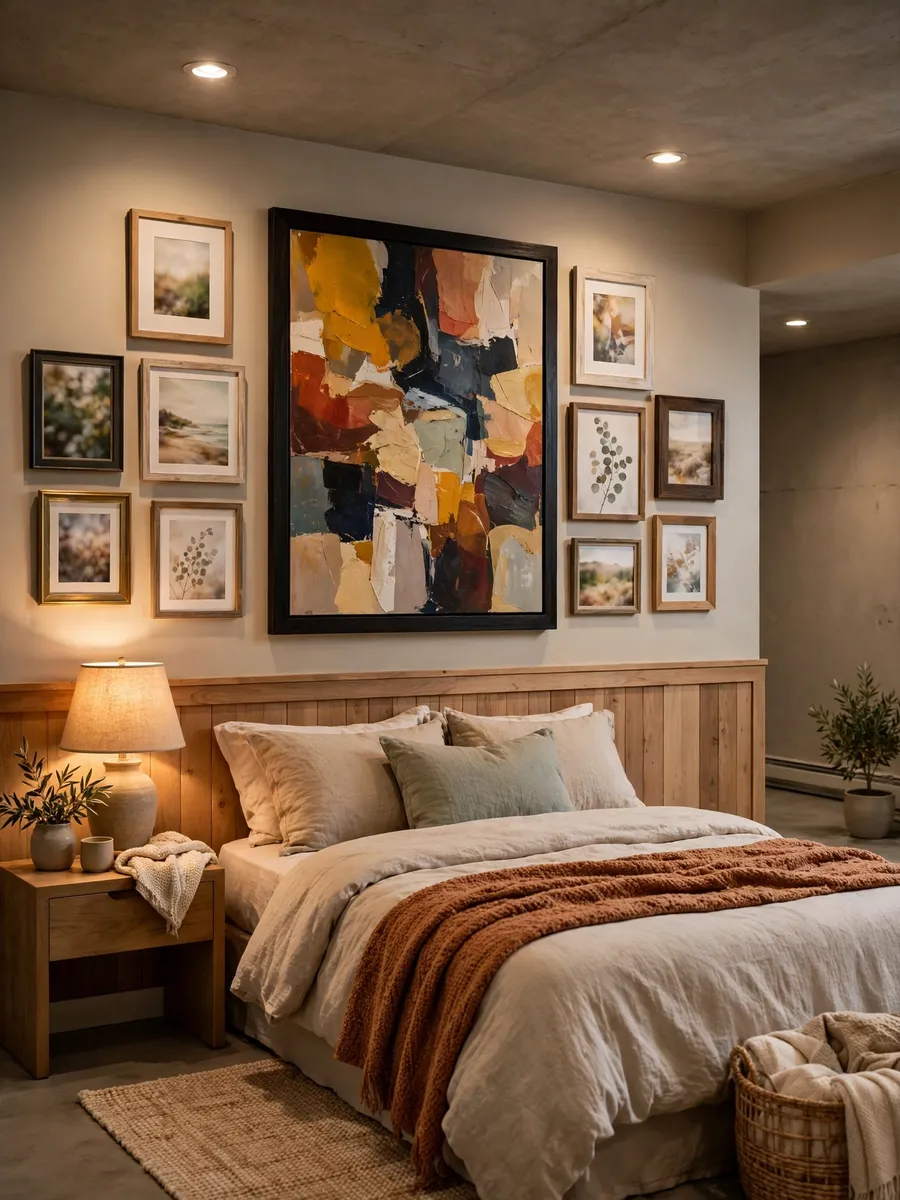
Hang art that makes the room feel chosen, not leftover. Family photos, travel prints, or bold abstracts all work. Art tells guests this room matters.
23. Reading Nook in the Corner

A comfortable chair and a floor lamp turn a corner into a retreat. Add a small side table for books and tea. Every bedroom feels bigger with a second zone.
24. Full Length Mirror

A full length mirror makes dressing easy and bounces light around. Hang it on a closet door or lean it in a corner. It also helps a small room feel larger.
25. Smart Thermostat Sensor

A sensor in the basement bedroom balances temperature with the rest of the house. Basements run cooler, so the main thermostat often gets it wrong. Even heat makes the room truly livable.
26. Waterproof Mattress Protector

Protect the mattress from any surprise dampness with a waterproof cover. It also guards against dust mites and spills. Sleep quality starts with a clean dry bed.
27. Curtain Instead of Closet Doors

A curtain on the closet saves swing space in a tight room. It softens the wall and costs less than doors. Choose a fabric that matches the bedding.
28. Nightlights Along the Path

Small nightlights guide the way to the bathroom at night. Basements are dark, and unfamiliar stairs need care. Motion sensor models turn on only when needed.
29. Fresh Air Ventilation

Crack the egress window or run a vent fan for fresh air now and then. Basements can feel stale without air exchange. Fresh air improves sleep quality noticeably.
30. Style the Bed Like a Hotel
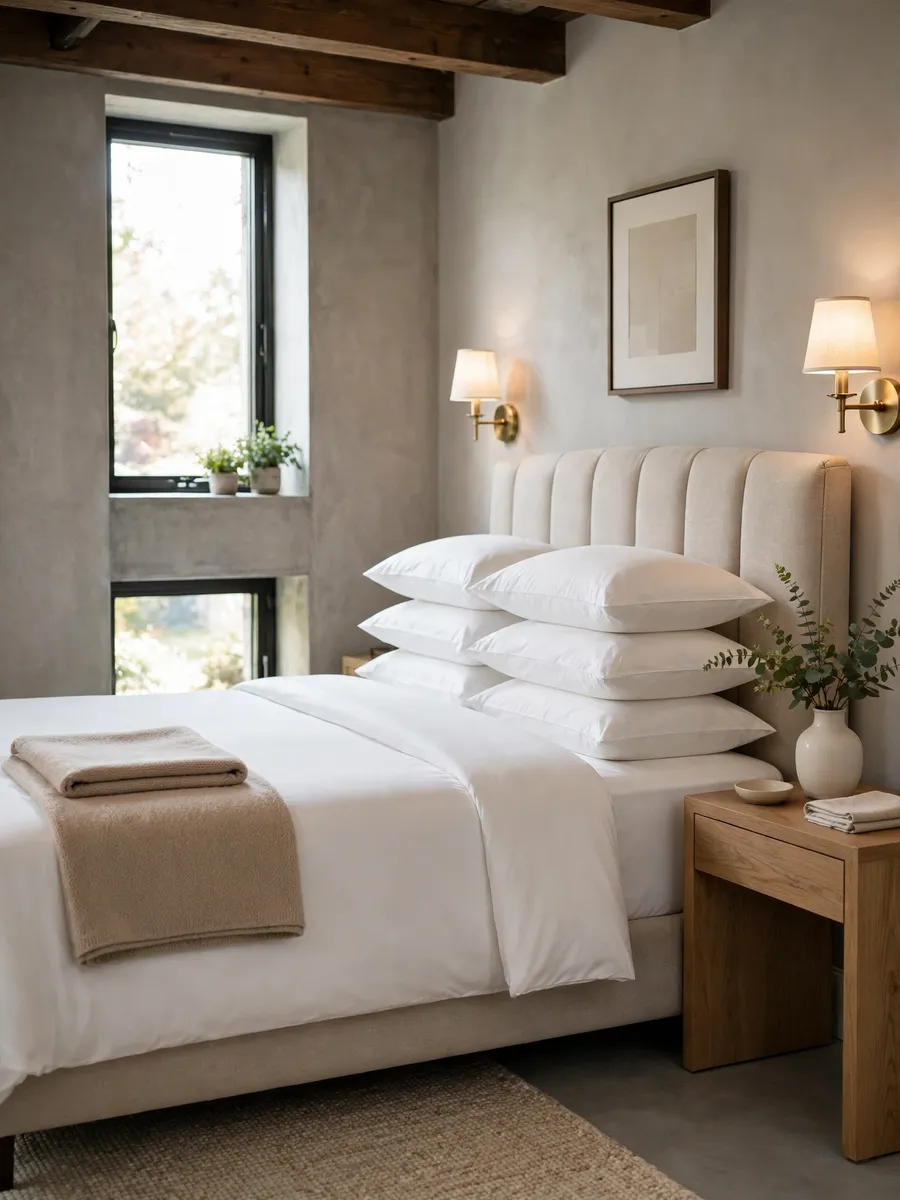
Crisp white sheets, a folded throw, and plump pillows signal comfort. Hotel style bedding makes guests feel pampered. It also photographs well if you ever list the home.
31. Final Safety Check
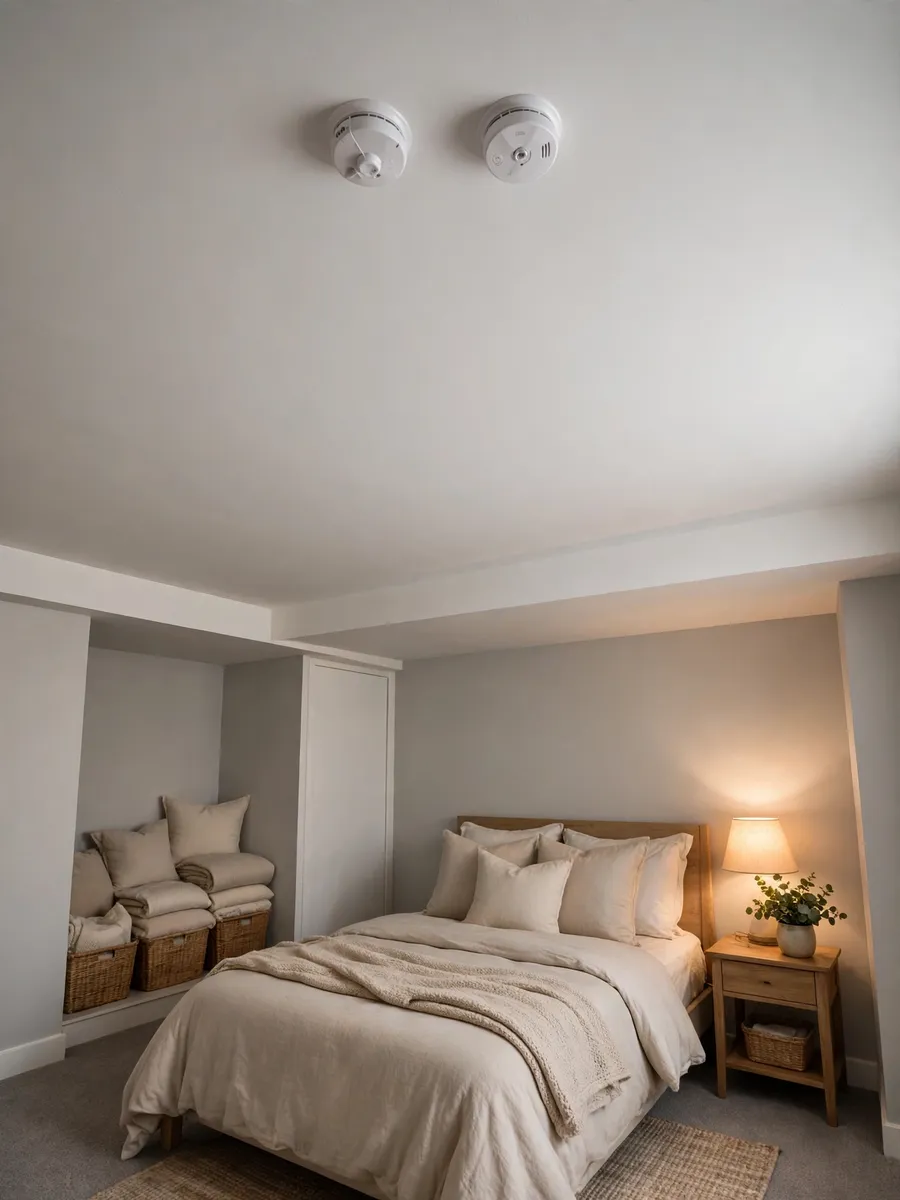
Install smoke and carbon monoxide detectors before anyone sleeps over. Test the egress window to be sure it opens easily. A safe room is a room everyone enjoys with peace of mind.
Frequently Asked Questions
1. Do I need a permit to turn my basement into a bedroom?
Most areas require permits for basement finishing, electrical work, and egress windows. Permits protect you during resale and keep the work safe. Check with your local building office before starting.
2. What makes a basement room a legal bedroom?
It generally needs an egress window or door, a closet, a minimum ceiling height, and proper heat. Rules vary by location, so confirm the details locally. Meeting code keeps everyone safe and protects resale value.
3. How much does it cost to convert a basement into a bedroom?
A basic finish can run a few thousand dollars if you do much of the work yourself. Egress windows and electrical upgrades add to the total. Get quotes for the skilled trades and budget a cushion for surprises.
4. How do I keep a basement bedroom dry?
Start outside with grading and gutters that move water away from the foundation. Inside, use rigid foam, a sump pump with backup, and a dehumidifier. Solve moisture before you close up any walls.
5. Can I add a bathroom to a basement bedroom?
Yes, but below grade plumbing needs a sewage ejector pump in most homes. It adds cost and complexity to the project. A nearby powder room can be a simpler alternative.
6. Will a basement bedroom add value to my home?
A legal finished basement bedroom usually adds value, especially in markets where space is tight. Appraisers count only code compliant rooms. Keep permits and records to prove the work was done right.
7. How do I heat a basement bedroom?
Extend your central HVAC with a supply vent and a return for the best results. Electric baseboard or a mini split works where ductwork cannot reach. Insulated walls make any heat source work better.
8. What flooring is best for a basement bedroom?
Luxury vinyl plank is the top pick for its moisture resistance and warm look. Tile works well too but feels cold underfoot. Avoid solid hardwood, which can warp in damp conditions.
Final Thoughts
These 31 basement into bedroom ideas take you from bare concrete to a room everyone wants to use. Plan the unglamorous work first, then enjoy the fun part of styling. A finished basement bedroom adds comfort today and value when you sell.
Keep Exploring
- 29 Low Ceiling Basement Bedroom Ideas for a Taller Feeling Room
- 42 Bedroom Decor Ideas for a Fresh Look That Never Go Out of Style
- 23 Small Bedroom Office Ideas for Calm Productive Restful Rooms
Plan this room with our free tools
Rug Size Calculator | Curtain Rod Length Calculator | Room Size Calculator | Wall Area Calculator